I recently made dhal. It’s a pretty basic staple in most Indian households when it comes to Indian cuisine. As far as I know, they eat it in both North India and South India. I grew up eating it multiple times a week. And to this day, it’s one of few things I crave from childhood. I never learned to make it growing up. Mostly because I couldn’t stand to be in the kitchen with my mom. The kitchen was her domain. She always complained that I never helped her, but every time I began chopping an onion, she immediately criticized and shamed my abilities. “Can’t even chop an onion correctly, what will I do!? How will you survive? Who will marry you if you can’t cook?” Spoiler Alert: Luke married me and we eat just fine.
The practice of cooking became an incredibly triggering one. To this day, every single person in my extended family assumes I’m useless in the kitchen. My London Grandma, who we all adore, continues to ask me, “Really??? Really do you cook? Are you sure?” To which I always respond, Yes, but Luke is a really good cook too. (It’s easier to give him credit).
Anyways, back to the onions. My mom eventually taught me the basics of Indian cooking via Facetime, while she was sitting in her own kitchen and I was safely in mine. I would stop her, ask questions, take notes and flip my screen so she could check the progress of each dish.
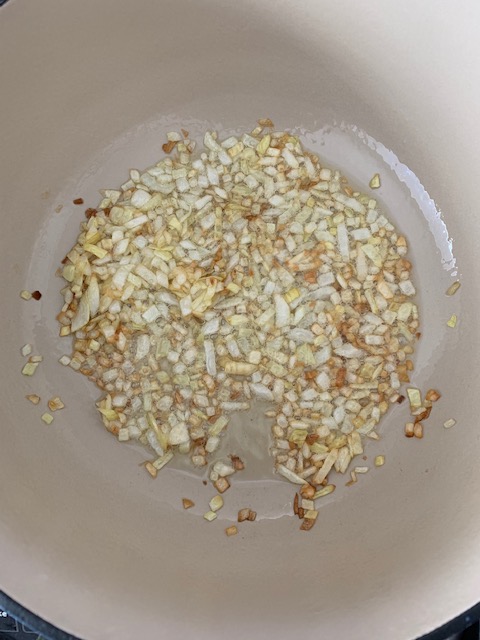
The most important part of any Indian dish is the browning of the onions. They need to be golden brown before you start the next step. And honestly, it takes a while to get them the right color. And if you brown them too far, you can taste it. It might not ruin the dish, but the taste of burnt onions is not great. Low and Slow. That’s the secret to the onions. It’s also the secret to a lot of good cooking.
Here’s an example:
Anyways, my mom always used a pressure cooker when cooking lentils, but I live in 2019, so I use an Instant Pot. Here’s the recipe. It’s the easiest Indian dish anyone can make.
- 1 cup lentils (toor or yellow dhal).
- 2.5 cups water
- One handful of cilantro, chopped onions and tomatoes
- Some oil
- One scoop of chilli powder. One smaller scoop of tumeric.
- Half a green chilli (I use Serrano. You should probably de-seed it, but if you want a little kick, keep some of the seeds in there).
- You can toast the lentils on the saute setting first, until your kitchen starts to smell like lentils. Don’t burn them or let them get too dark!
- Then add the rest of the ingredients
- Cook on high pressure (no venting) for 30 minutes.
- PS: Weirded out by the vagueness of the instructions? Welcome to Indian cooking. This is how Indian women pass down recipes from generation to generation. So this is literally what I wrote down as my mom instructed me. I have become surprisingly good at eyeballing measurements.
Now for the Bagaar. Bagaaring the dhal is not exactly necessary. However, I think the word Bagaar literally translates to, “adding the spice,” so why wouldn’t you do it?
In a separate pot, put some oil in and start frying some onions. Again, golden brown. Fun fact, the burnt picture above is from my bagaar the last time I made dhal. You know… still learning.
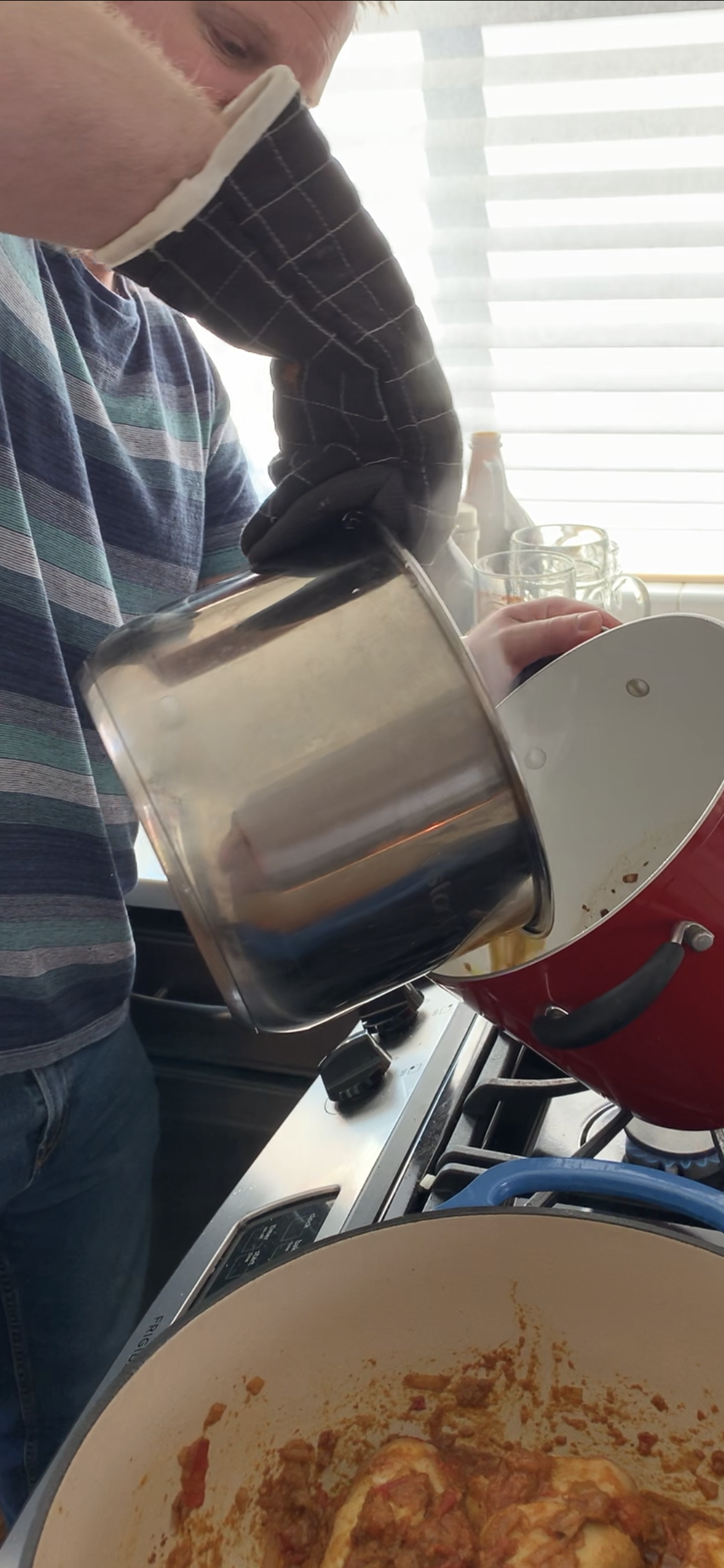
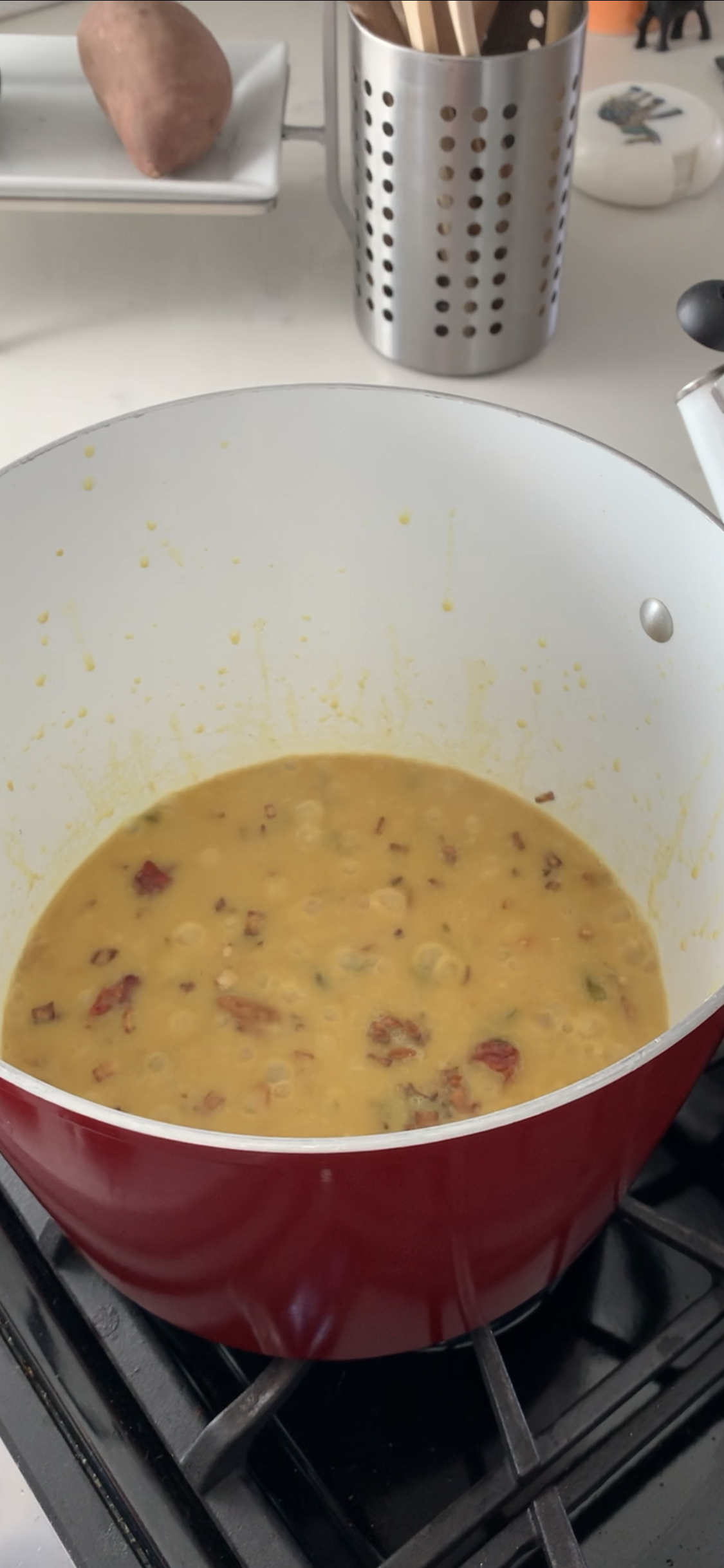
Once the onions are golden brown, add some whole mustard seeds, cumin seeds, curry leaves and some dried red peppers. Just tiny scoops of each. Once the seeds are popping, the bagaar is ready. (side note, wait until your dhal only has about 5-10 minutes left in the instant pot.) Once the timer goes on the instant pot and your bagaar is ready, VERY CAREFULLY take the inside pot from your instant pot and dump the contents into the bagaar. There will be splatter. Stir, stir, stir and get all of the spices mixed into the lentil mixture. Add some salt and then you’re done! Boom. Dhal.
I had videos of each each step to document the bagaar popping and the pouring of the dhal, but WordPress is making me upgrade my account to upload them. So sorry, guys. I’m cheap. But I did manage to take screen grabs of the videos.
Eat dhal on top of some Basmati rice, with a side of meat or vegetable curry. Or just on its own. I particularly love a side of gongura pickle or achaar to give it some extra flavor.
 Good Grief Home Cooking